
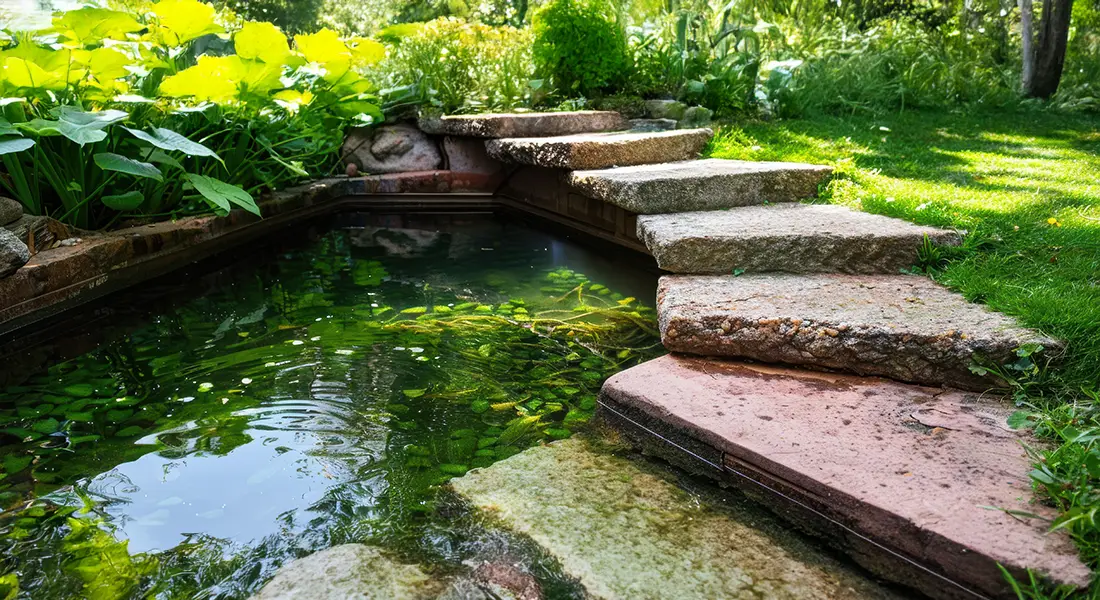
How to Build and Maintain a Backyard Pond for a Beautiful Garden
March 21, 2026, 0 CommentsA backyard pond transforms any outdoor space into a living, breathing ecosystem. Whether you’re dreaming of koi gliding through crystal-clear water or a naturalistic wildlife pond surrounded by native plants, the results are breathtaking. At Reflections Water Gardens, we’ve helped countless homeowners bring their backyard pond visions to life — and keep them thriving for years to come.
Planning Your Backyard Pond
Before breaking ground, smart planning makes all the difference. The right location, size, and design style will determine how easy your pond is to maintain and how beautiful it looks through every season.
Key things to decide before you build:
- Size and depth — A minimum depth of 18 inches prevents rapid temperature swings and supports fish and plants
- Location — Choose a spot with partial shade to reduce algae growth and limit debris from overhanging trees
- Purpose — Koi pond, wildlife pond, or decorative water garden each have different design requirements
- Filtration — A quality biological and mechanical filter is non-negotiable for long-term water clarity
- Power access — Plan for a nearby GFCI outlet to run your pump and any lighting
DIY Pond Ideas for Small Gardens
You don’t need a large yard to enjoy a stunning water feature. Some of the most creative DIY pond ideas for small gardens make a huge impact in a compact footprint:
| Pond Style | Best For | Estimated Size |
| Container Pond | Patios, balconies, small yards | 2–5 sq ft |
| Raised Pond | Sloped yards, visual interest | 10–20 sq ft |
| Naturalistic Wildlife Pond | Biodiversity, native planting | 20–50 sq ft |
| Koi Pond | Fish keeping, focal point | 50–200 sq ft |
| Bog Garden Pond | Low maintenance, native plants | Any size |
Backyard Pond Landscaping Ideas
The area surrounding your pond is just as important as the water itself. Thoughtful backyard pond landscaping ideas tie the whole outdoor space together:
- Stacked stone edging — Creates a natural, polished border that blends seamlessly with the water
- Native marginal plants — Iris, cattail, and rushes soften edges and support local wildlife
- Flagstone pathways — Lead visitors around the pond and create intimate viewing spots
- Boulders and driftwood — Add scale, texture, and a naturalistic feel
- Underwater lighting — Extends enjoyment into the evening and highlights water movement beautifully
- Waterfalls or streams — Add sound, oxygenate the water, and dramatically elevate the design
Backyard Pond Maintenance Tips
Consistent care keeps your pond healthy, clear, and beautiful. Follow these backyard pond maintenance tips to stay ahead of common issues:
- Run your pump 24/7 — Continuous circulation prevents stagnation and keeps oxygen levels healthy for fish and plants
- Remove debris promptly — Leaves and organic matter decompose and spike nutrient levels, fueling algae blooms
- Avoid overfeeding fish — Uneaten food breaks down quickly and pollutes the water
- Test water regularly — Check pH, ammonia, and nitrite levels monthly, especially in warmer months
- Thin out plants seasonally — Overgrown aquatic plants consume too much oxygen overnight
- Keep the filter clean — Rinse mechanical filter media every two to four weeks without using tap water, which kills beneficial bacteria
How to Clean a Pond Naturally
Chemical treatments can disrupt your pond’s delicate ecosystem. Here’s how to clean a pond naturally and keep it balanced without harsh products:
- Beneficial bacteria — Add liquid or tablet-form bacteria supplements to break down sludge and organic waste
- Barley straw — A natural algae inhibitor; place bundles near the waterfall or pump intake
- Aquatic plants — Water hyacinth, water lettuce, and lilies absorb excess nutrients that feed algae
- Aeration — A waterfall, fountain, or air pump keeps water moving and naturally discourages algae
- Manual vacuuming — Use a pond vacuum once or twice per season to remove settled debris from the bottom
Seasonal Pond Care Guide
Spring
- Restart the pump and inspect all equipment after winter
- Do a partial water change of 20–30% to refresh water quality
- Introduce beneficial bacteria to re-establish biological balance
- Begin feeding fish as water temperatures rise above 50°F
Summer
- Monitor water levels weekly — heat increases evaporation significantly
- Watch for algae blooms and treat with barley straw or beneficial bacteria
- Ensure adequate aeration during hot spells when oxygen levels drop
Fall
- Net the pond to catch falling leaves before they sink and decompose
- Cut back marginal and aquatic plants as they die back naturally
- Reduce fish feeding as water temperatures drop below 60°F
Winter
- In freezing climates, use a pond de-icer or aerator to maintain a small opening in the ice for gas exchange
- Never break ice forcefully — the shockwaves can harm fish
- Remove and store the pump indoors if shutting the system down completely
Thinking about adding a pond to your backyard? Visit Reflections Water Gardens to explore design inspiration, installation services, and expert pond care guidance tailored to your outdoor space.
0 Comments